


How Does a Water Well Drilling Rig Work?
Over nearly 20 years in the well drilling industry, Jinke has found that many people rarely consider the effort and technology required to provide a dependable supply of clean, great-tasting drinking water. Although many homeowners in New Hampshire and Massachusetts rely on private wells, most did not personally hire a well contractor or witness the drilling process. Seeing a well-drilling rig in operation can be quite impressive—here’s an overview of how it works.
How Does a Well Drilling Rig Work?
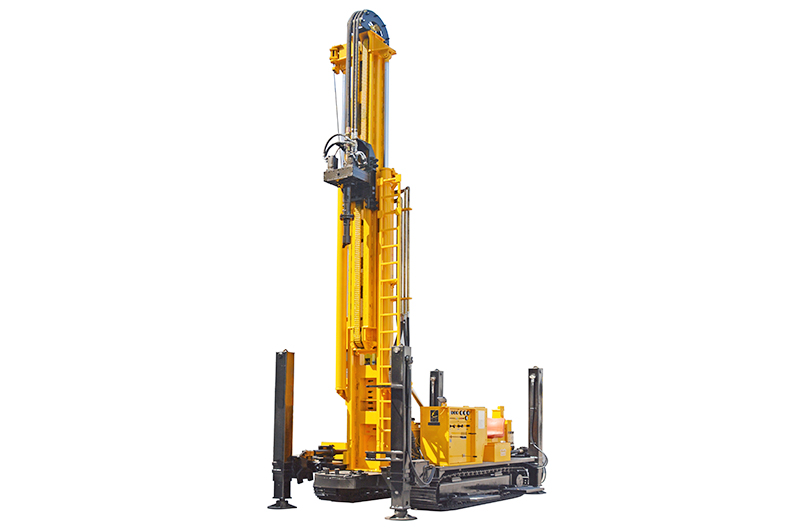
A well drilling rig is a large piece of equipment that is transported to the site by truck and positioned where the well will be drilled. There are two main types of drilling rigs: rotary rigs, which drill into the ground using a rotating motion, and “pounder” rigs, which lift and drop a heavy weight in a method known as cable drilling to break through the ground.
A rotary drilling rig uses various types of drill bits. The most common include long cable bits or interlocking steel bits, both of which rotate clockwise to penetrate the earth and break up soil and rock. As the bit turns, loosened material is brought to the surface. Because the drilling process generates heat, water or drilling mud is used to cool the drill bits.
The purpose of drilling a well is to reach an underground aquifer or water source. However, drilling does not stop once water is found. To ensure a reliable water supply and extend the well’s lifespan, drilling continues below the water table. Bedrock wells are typically drilled to depths between 100 and 500 feet, although some wells may exceed 500 feet in depth.
Installing Well Casings
Well casings are long pipes made of steel or plastic that line the newly drilled well to prevent collapse and protect the water from contamination. A two-inch space, known as the annulus, remains between the casing and the well wall. This space is filled with gravel and sealed with cement for the top twenty feet to the surface, helping block surface contaminants from entering the well and affecting the water supply. Casings also help protect the well from freezing during extremely cold winter conditions.
Some well drilling companies install the casing during the drilling process, while others install it separately after drilling is completed.
Keeping the Water Source Clean
To keep debris and surface contaminants from entering the water supply, filtration components are installed. These filters also stop larger particles from being drawn into the water pump. After drilling is finished, a screen is placed at the bottom of the well casing, and gravel is added at the base of the well as a natural filtration layer.
Experience and Technology
In the past, well drilling involved manually digging deep into the ground using basic tools until groundwater was reached. Today, modern technology and advanced drilling methods allow well drilling contractors to provide homeowners with a dependable and long-lasting water source.
If you have questions about drilling a new well or want to learn how to increase the water flow from an existing well, contact Jinke today for more information.